A 4th Century Sarcophagus Commemorating Lost Loved One and Love of God

Love can mean many things, but the Greek term “agape” is meant to convey love that is total and self giving. It is more than simple physical passion or “eros,” or “filia” friendship. Discovered in the Vatican near St. Peter’s and dating to the the Constantine era (mid 300’s A.D.), this sarcophagus, which has been called “Agape” stands a lasting testament of love both for a lost spouse and for God who watches over her in eternity.

Though inscriptions on pieces like these are rare, etched on the surface here are the words, “To my dear wife, Agape” - as well as a note commemorating the span of their relationship down to the day - “55 years, 1 month, and 5 days.” Surrounding this touching memorial are numerous architectural aspects as well as biblical scenes from the new and old testaments. These include the sacrifice of Isaac, Jonah and the whale, and many miracles of Christ.

[VIDEO} for more on this amazing piece of history watch this brief video with Christian Antiquities Curator Umberto Utro and Valentina Lini.

Sarcophagus of Agape and Crescentianus, California Chapter from Vatican Patrons of the Arts on Vimeo.

Curator of the Christian Antiquities Department, Dr. Umberto Utro, and Valentina Lini explain the project. Careful cleaning and meticulous work were able to return the piece to its original luster and will allow it to stand for all time as a beautiful monument to a loving husband who was committed to “agape” for his wife and for God. Thanks to generous donations from the California Chapter - particularly the efforts of Roberta and Howard Ahmanson for their help in restoring this treasured memorial of love and faith.

It’s easy to become a Patron! To participate in meaningful projects like this one please contact our Office and find out how to glean the benefits of membership which include special programs, private tours, and behind-the-scenes glimpses into the Vatican Museums.

Junior membership is designed for those under 35 years old and provides all the advantages of membership at a reduced rate - to learn more click here.
Video - Restoring Perseus

An overview of the restoration process implemented for Antonio Canova’s Perseus, a restoration sponsored by the Northwest Chapter of Vatican Patrons.

Standing Tall - The Intricately Inscribed Marble Base

A few weeks ago we mentioned the completion of restorations on a Statue of the Dacian Prince from the Trajan Forum in 113 A.D. While restorations on the prince are completed, restorers now begin work on the marvelous base with which that sculpture has been associated. Though the prince is spectacular, the base is also stunning and historically intriguing, with an intricate inscription that requires careful cleaning and attention from our restorers. Now, thanks to the support of the Junior Illinois Patrons, this integral project has begun.

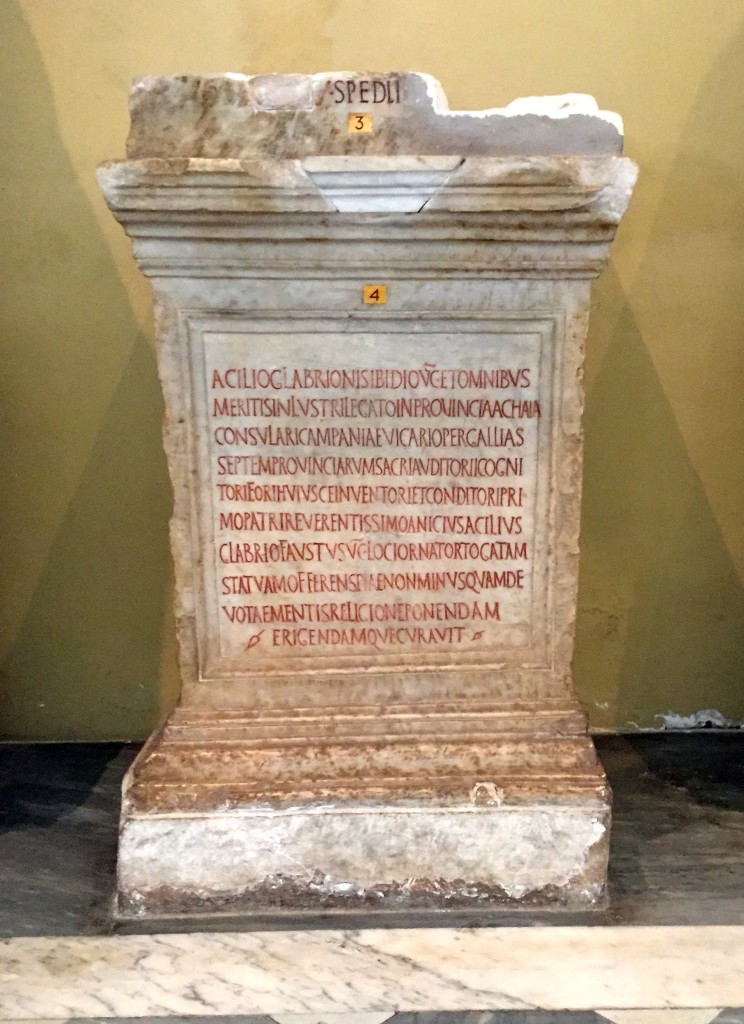
On March 18, the Junior Patrons (made up of members under 35 years old) hosted their second annual “Illinois Associates Night Out” which included an unveiling, and engaging discussion about their excitement for the good works ahead involving the marble base. The base was actually not originally created for the Dacian Prince - it was made in the 5th century and the inscription reads that it once supported a statue of Acilius Glabrio Sibidius who had important government roles in Greece, Campania and west Gallia. However, this base and the Dacian prince have been connected for centuries.

The pieces are usually housed in the Chiaramonti gallery, however it is important for us to maintain the vision and verisimilitude of this space, crafted by famed Antonio Canova who constructed it in the 19th century. Therefore, prince and base will only come on display when restorations are fully complete on corresponding pieces of similar construction so that the full experience is recreated.

Are you under 35 and want to get involved? Junior membership is designed especially for you and includes the same rewards as full members at a reduced rate. It’s easy to become a patron (particularly a Junior Patron) and the perks are amazing! Click here for more information.

Don’t miss your chance to win with the Patron’s Junior Membership GIVEAWAY - More details here.

{See this striking video for more information on the base and the history of the Chiaramonti on Vimeo}

5th Century Marble Base, Illinois Junior Patrons from Vatican Patrons of the Arts on Vimeo.

If you would like to know more about this project and the others associated with the Chiaramonti go to our Wishbook.

Canadian Patrons Help Restore Pinturicchio’s “Secret” Borgia Apartments

The Borgia Apartments were sealed off by Pope Pius III after the death of Pope Alexander VI, Rodrigo Borgia, (1431-1503) (due to their association with the scandalous Borgia family). For nearly 400 years the sumptuous art within sat in wait.

Then, in 1889, Pope Leo XII reopened the rooms for restoration revealing an overwhelming trove of artistic riches. The apartments were discovered to be filled to the brim with astonishing frescos by the Italian painter Bernardino di Betto, also known as Pinturicchio - who worked on them with a team of apprentices between 1492-1494. Intricate stucco work adorns the walls and vaults while accentuating the paintings, saturated with vivid reds and blues. The halls are considered a masterpiece in design. Themes of the works adorning the walls are from medieval encyclopedia and celebrate the supposed divinity of the Borgias.

In this short and telling video, Romina Cometti and Marco Pratelli guide us through current restorations and expand on the importance of the particularly impressive pieces in “The Hall of the Liberal Arts”. The frescos in here are mainly allegorical with scenes of anthropomorphized “lunettes” including the idealized embodiments of rhetoric, music, astrology and so on. These important restorations are made possible because of a generous donation by the Canadian Chapter of Patrons.

Because of the distinction of the color palette of these frescos, the stark contrast between those portions that have undergone the careful cleaning process and those that await restoration is striking. Much of the damage came from soot and candle smoke from the time when the apartments were under use, but with careful attention to detail, restorers can return the frescos to their original and glorious luster. One can almost imagine the gatherings of wealthy patrons mingling in candlelight while the frescos looked on.

An interesting development involves recent restorations of another room in the apartments (The Hall of Mysteries of the Faith) which revealed - under a layer of dirt - what is believed to be the very first European depiction of Native Americans! Painted in 1494, only two years after the voyage of Columbus. The figures appear in the background of Pinturicchio’s spectacular “Resurrection.”

For more on these fascinating artistic treasures and the secrets of the Borgia apartments don’t miss these videos:

Borgia Apartments “Room of the Liberal Arts” Part 1, Canada Chapter from Vatican Patrons of the Arts on Vimeo.

Borgia Apartment Part 2, Canada Chapter from Vatican Patrons of the Arts on Vimeo.

The duty of the Patrons is a sacred one in preserving our artistic history. If you’d like to participate in the restoration of these or similar pieces at the Vatican Museums contact your local chapter of the Patrons Office.

A Major Patron Project: Notes on the Gregorian Profane Museum, its need of light, but also its modern architectural significance

Some Patrons’ projects are easier to sponsor than others; “Bringing Light to the Ancient World” has been on our list for the past couple of years and while we have some interest from major foundations to sustain the high costs of new lighting, we are still working towards the official pledge.

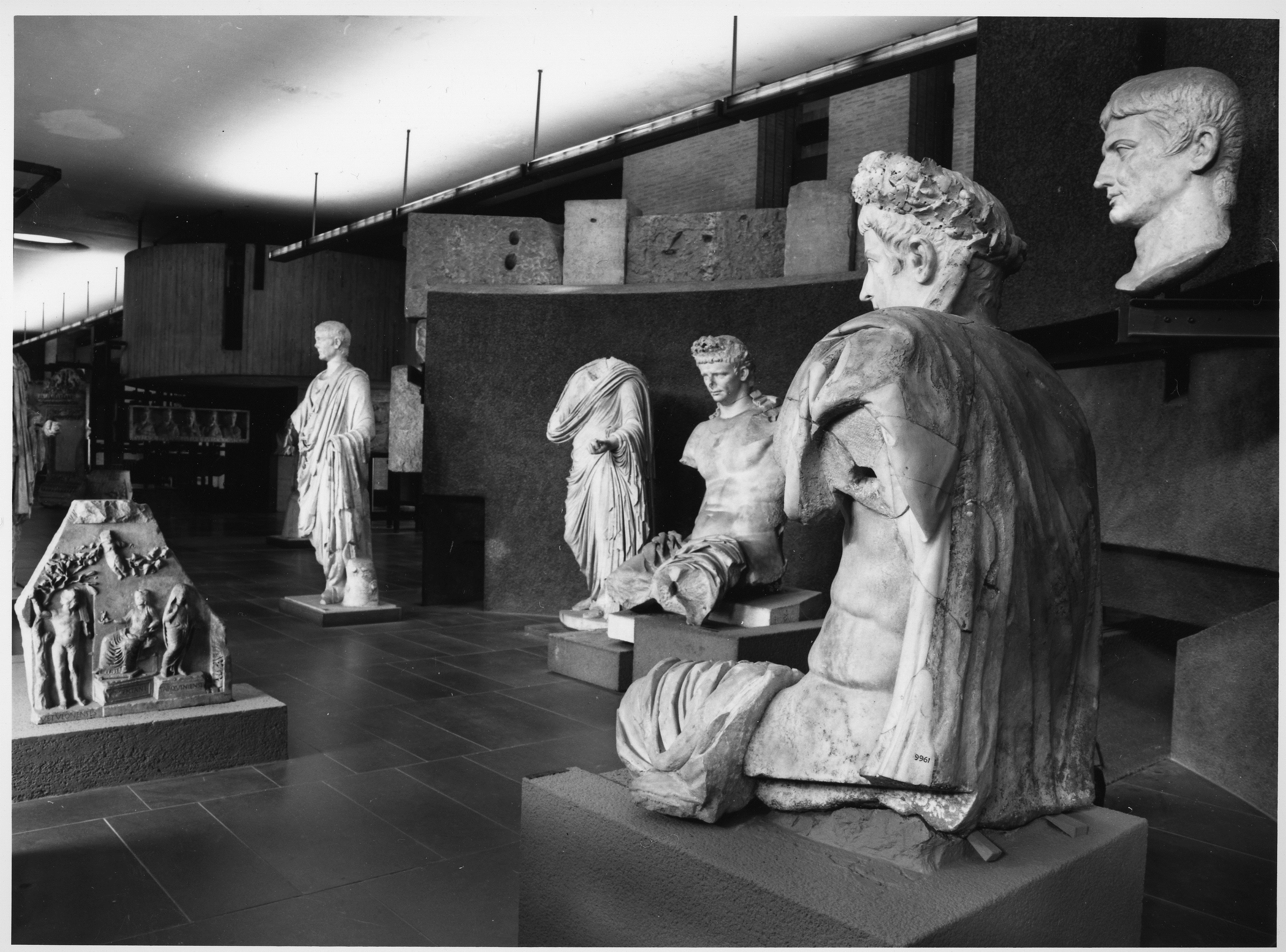
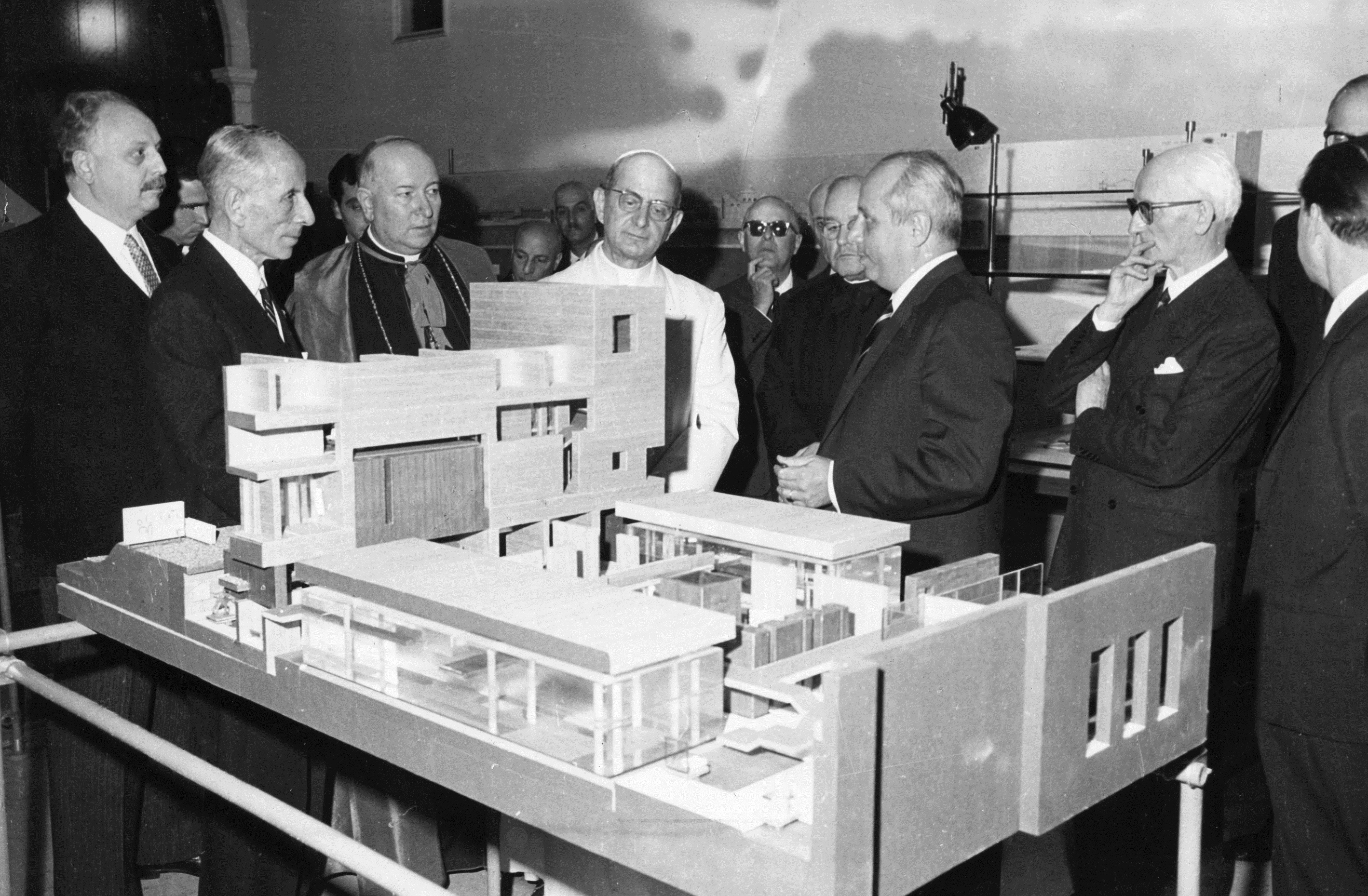
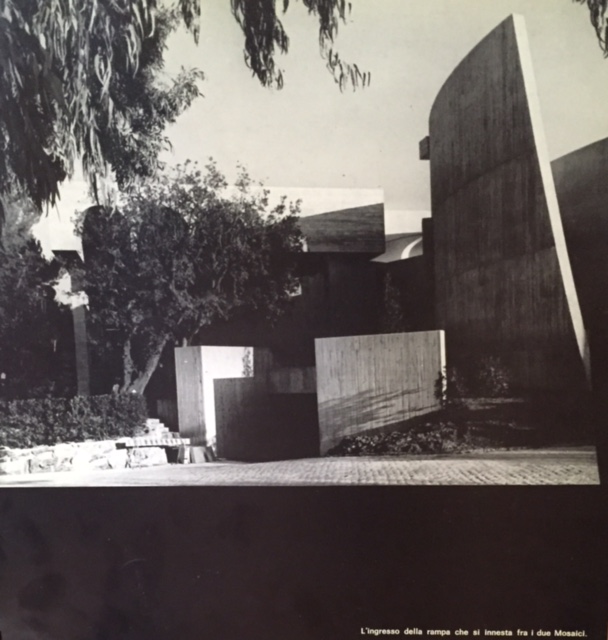
Yet, even with its significance, how many of us have really looked at this department? Not many, because it is closed to the public. It represents one of the most phenomenal collections of classic Greek and Roman art in the world, known to scholars everywhere. However, less known to the public is that it is also a major modernist architectural project for the Holy See, requested and sustained by Paul VI in his quest for a proper site for the collection. The year was 1973 and Arch. Lucio Passarelli and his studio won the competition for the building, which now includes the Ethnological collections as well. Using natural light, unusual apertures to the outside, stunning use of steel in the design of the mountings as well as reinforced concrete made to look like cut stone, the entire complex is typical of its time; yet while typical, it was seen as the ultimate example as it won the CEA (Circle d’Etudes Architecturales) Prize in 1975. See below a couple of vintage photos from the opening of the galleries that year. For all Patrons: let’s work together to light this collection and open it again to the public. It is indeed one of the undisputed jewels of the Vatican Museums.

image1

Copia di Fig 12

The Sacred in the Profane - Mythological Statues in The Gregorian Profane Museum Restored

The Profane Museum, founded by Clement XIII in 1761 was the first gallery in the Vatican dedicated to the display of the ancient “profane” pieces. These included pagan art as well as “domestic” instruments (cameos, ivory, rock crystal and small bronzes). The museum underwent a large overhaul when a new entrance was constructed and many pieces were given a course of restoration at that time thanks to the efforts of the Michigan Chapter.

Mythological Statuettes Part 1, Michigan Chapter from Vatican Patrons of the Arts on Vimeo.

{See the video for more on these wonderful works and how they were retooled in the 18th century!}

Pieces depicted in the video include works from the 2nd to 5th century, many from Roman houses and some amazing artifacts from Pompeii and Herculaneum. In the 1700s several of these pieces, that had been part of a large collection owned by Cardinal Carpegna, were repurposed and adorned with golden appointments by the artist Valadier .The preserved state of these artifacts is amazing! Let restorer Claudia Legga walk you through these meticulously restored pieces. Again, many thanks to the Michigan Chapter for their support in this effort.

Mythological Statuettes, Part 2, Michigan Chapter from Vatican Patrons of the Arts on Vimeo.

{Ms. Legga continues your tour of the “profane” artifacts…}

FullSizeRender (4)

The Curse of Mummy-Mania: Patrons Help Unravel a Mystery Wrapped in an Enigma

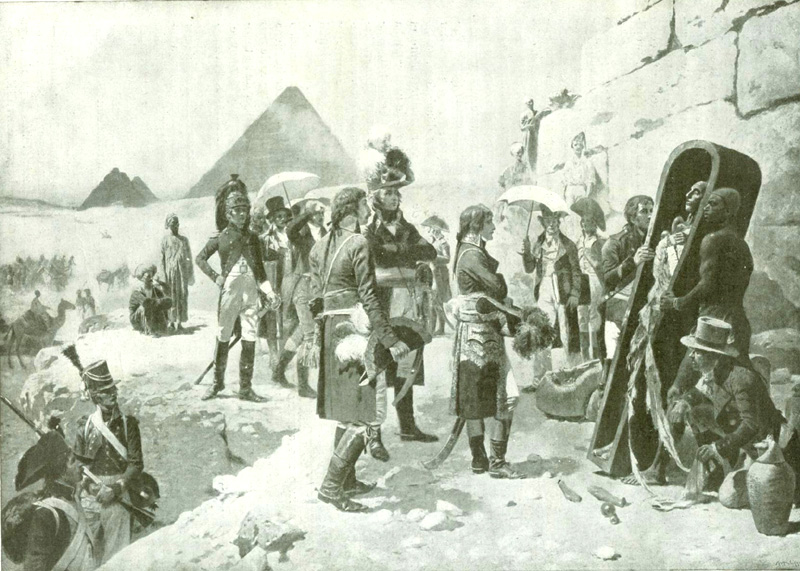
Mummy Mania is not exactly a scientific term - but it accurately describes the Egyptian history craze that swept Europe after the discovery of the Rosetta Stone in 1799 (which allowed for the translation of Hieroglyphics). In the rush to supply the Egypt-a-philic art collectors and museums that popped up on the continent, tombs were ransacked and ruins were exploited. Tourists swarmed the pyramids and every visitor to Egypt wanted to come home with a genuine mummy - correspondingly, there was a booming market for forgeries.

Napoleon in Egypt Studying a Mummy, Print by E. Fiorello

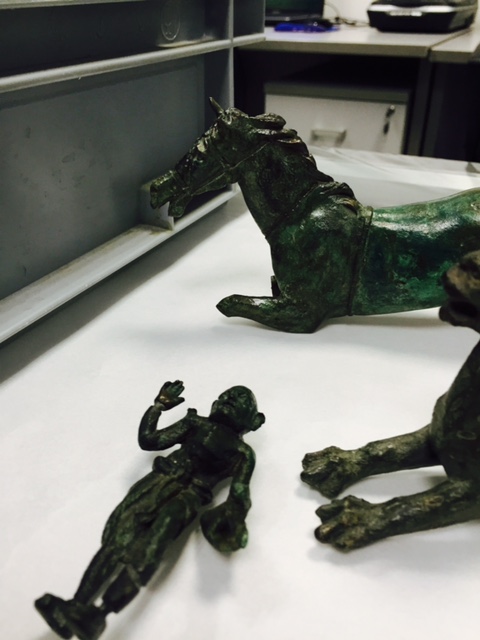
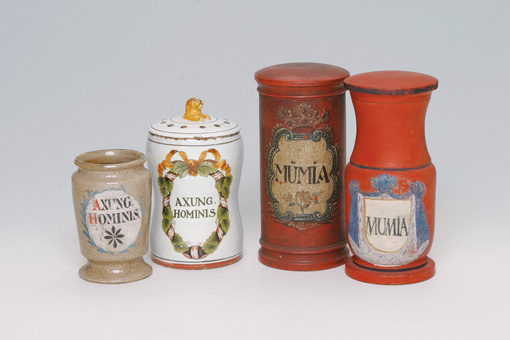
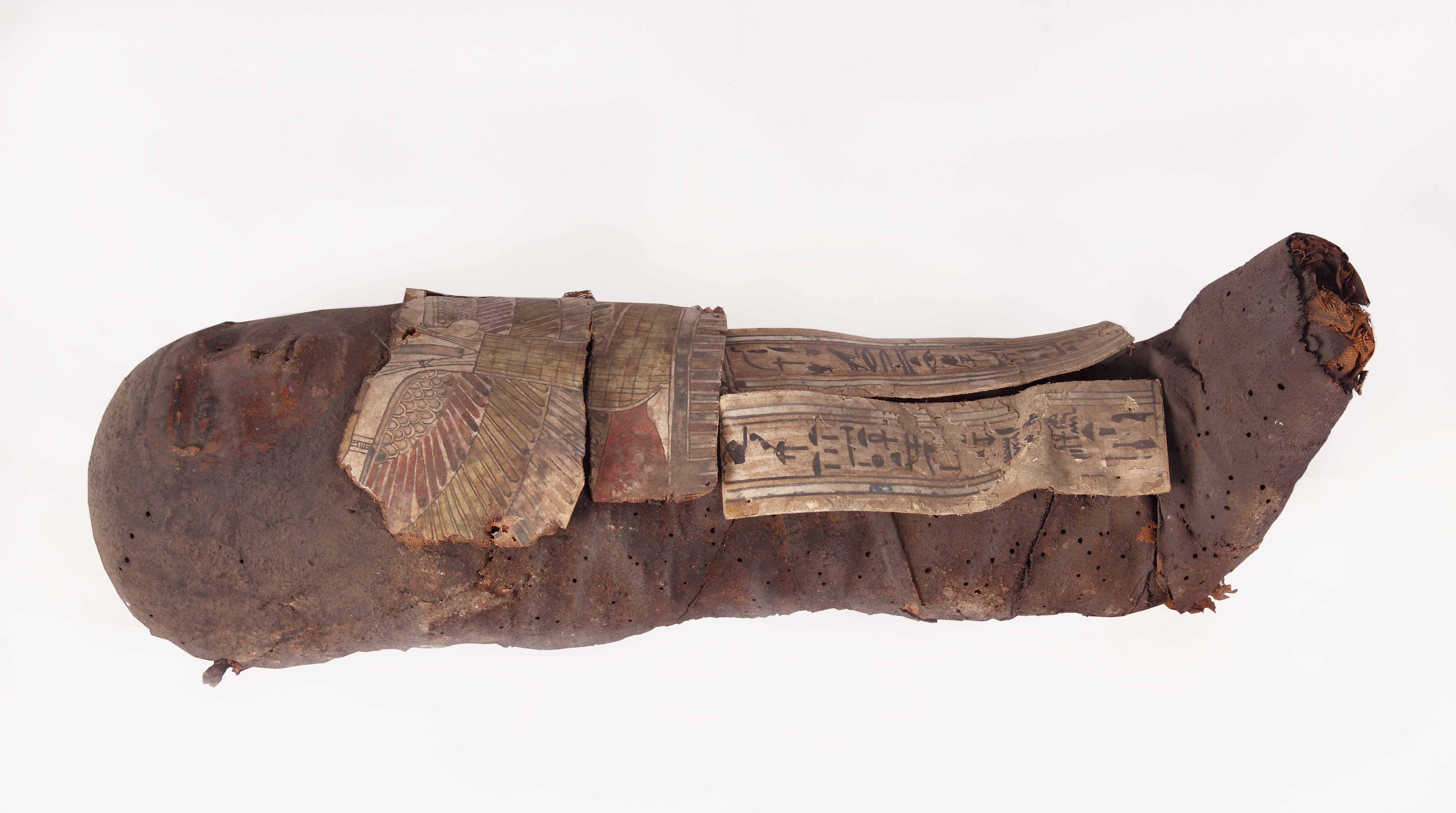
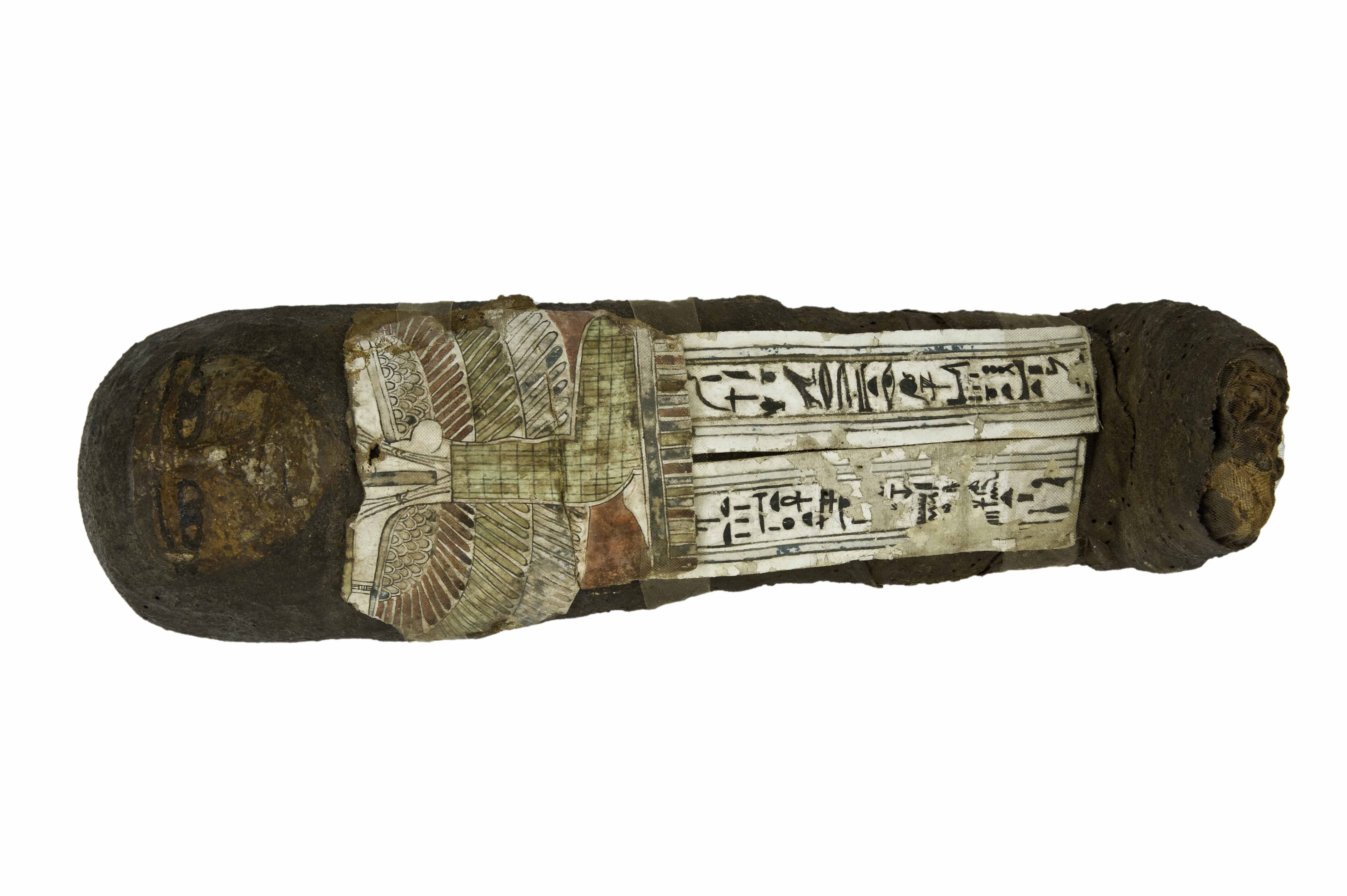
Forgeries of mummies are nothing new - researchers say that there were faux mummies even in the time of the Pharaohs and even more when high demand when during the Middle Ages through the Renaissance they were ground up used as a powder for apothecary potions. Often smaller mummies - “mummiettes” (child or animal mummies) made the best fakes, which held, deep underneath ancient bandages, contemporary bird bones or sometimes nothing at all.

Examples of apothecary potions

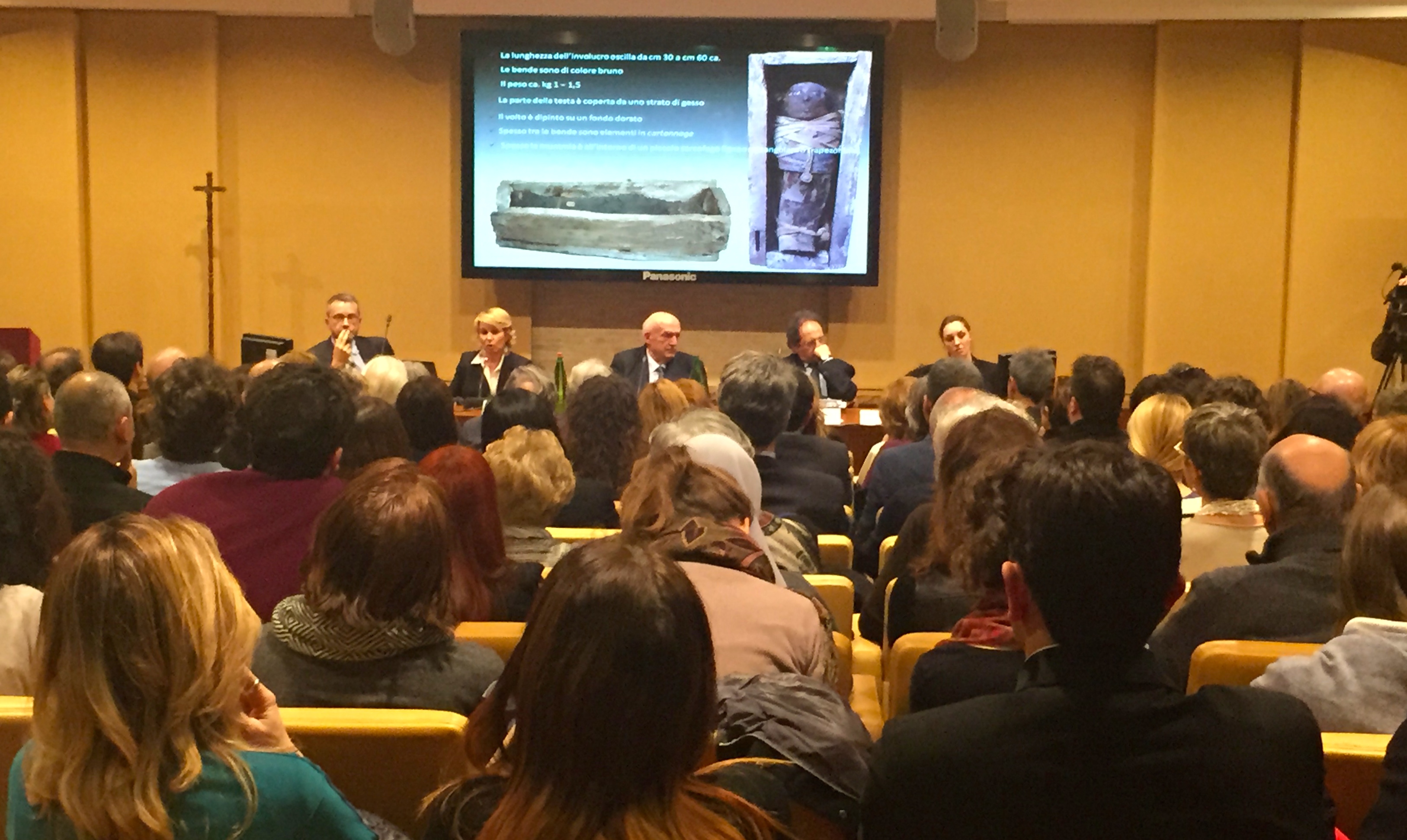
Two of these fake mummies were the objects of study at the most recent Vatican restorers conference held on January 22, 2015. Professor Antonio Paolucci, director of the Vatican Museums, provided an introduction and Alessia Amenta, curator of the Department of Egyptian Antiquities and the Near East followed up with analysis along with Ulderico Santamaria, head of the Laboratory of Diagnostic for the Conservation and Restoration of the Vatican Museums with his colleagues Fabio Morresi and SvevaLongo. In the curious cases of these mummies, the forgeries and techniques used to discover them were just as interesting as if they found the real things.

A Case of “Mummy-Mania” Conference including speakers: Fabio Morresi, Alessia Amenta, Antonio Paolucci, Ulderico Santamaria, and Svevo Longo (from left to right)

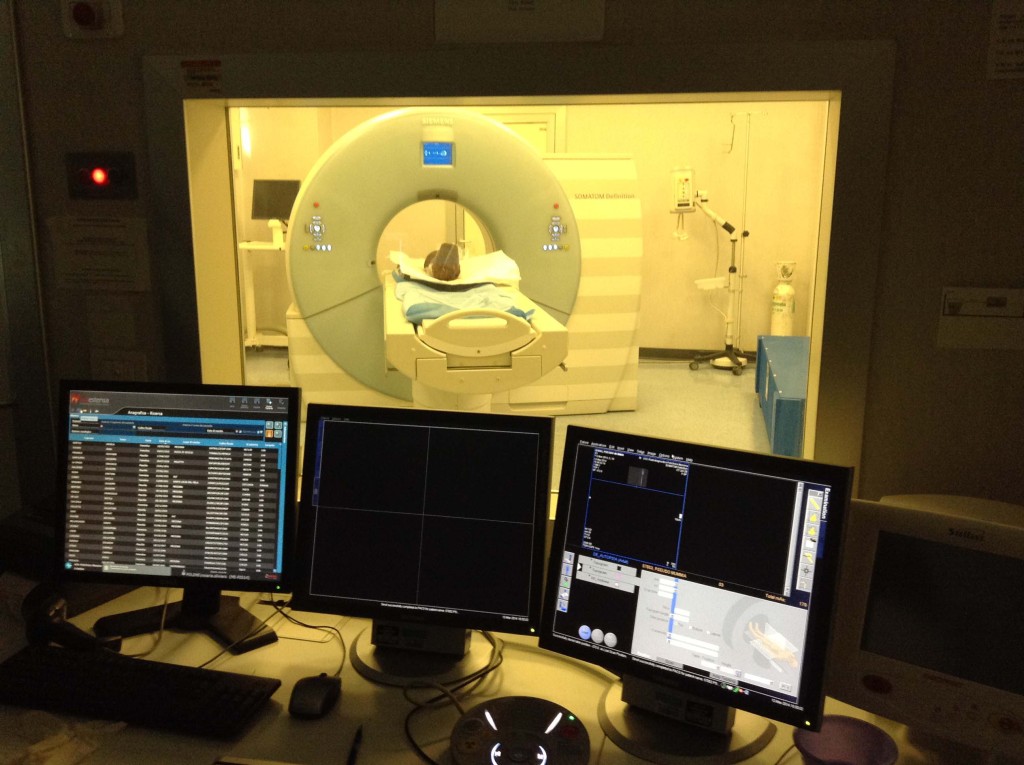
Thanks to the California patrons who supported this project, (particularly Juliann and Michael O’Connor) our labs were able to use X-ray fluorescence and electron microscopes to discover the chemical elements of materials, and infrared and ultraviolet analyses revealed colors and images hidden to the naked eye. Gas chromatography-mass spectrometry identified the presence of organic compounds and the project was topped off with CT-scans to create 3D images of the contents. These analyses revealed the presence of zinc and tin in the paints and a metal laminate used to create false aging. Then “multiplanar reconstruction” of hundreds of CT-scan images pieced together revealed a 19th century nail that could not have been seen on the initial X-ray. Also, with carbon dating, restorers found that the bones wrapped inside were actually adult bones from the middle ages.

Fig. 3

Fake Mummy Undergoing “TAC” restoration © Musei Vaticani

The way these forgeries were crafted has been at least as much of a mystery as the riddle of true ancient Mummies. The conference on January 22, 2026 not only revealed strides in how to identify fakes, but also sparked discussion on the merit of these forgeries as works of historical record and even pieces of genuine 19th century artistic ingenuity.

“The Mummy Project” is an ongoing one at the Vatican which boasts a truly impressive collection of genuine mummies some of which have had the benefit of restoration due to our generous patrons.

For more on the Mummy Mania conference: http://mv.vatican.va/3_EN/pages/z-Info/MV_Info_Conferenze.html

For more on becoming a Vatican Museums Patron

Photo of Child Mummy Before Restoration © Vatican Museums

Fake Mummy, Inv. 5783, before restoration © Musei Vaticani

This Dashing Dacian Prince has Been Fully Restored!

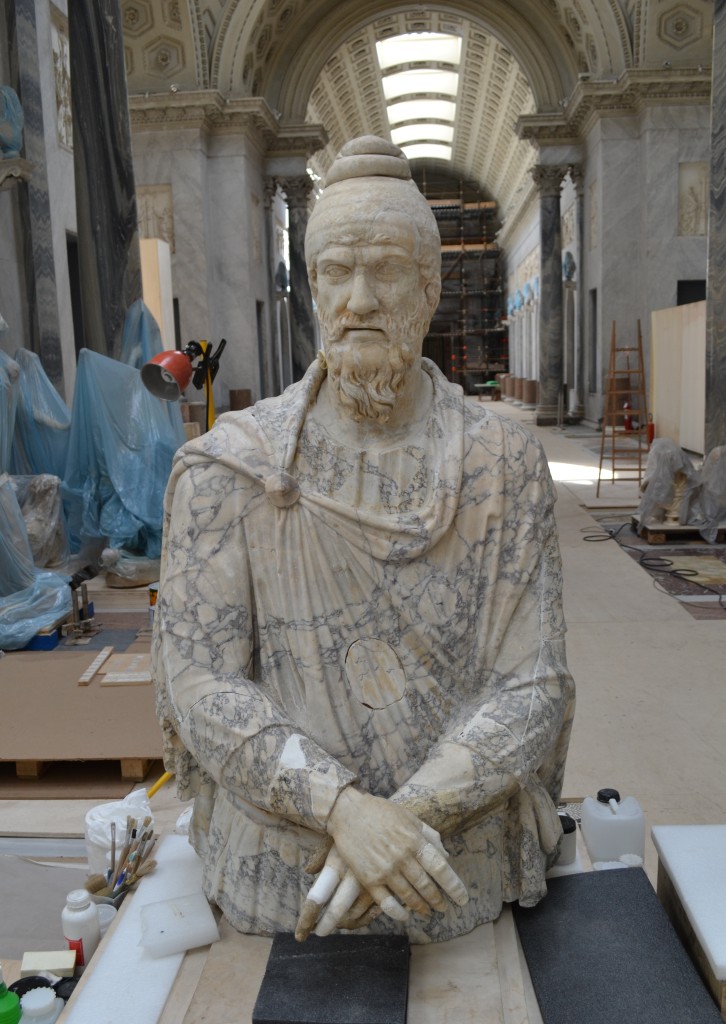
With work beginning in 2012, we are happy to say that this colossal statue of a defeated prince has been fully restored and is ready for display. The statue was part of a decorative scheme used to adorn the great Trajan Forum inaugurated by the Emperor in 113 AD. The impressive piece depicts a Dace prince dressed in a long tunic - arms crossed in front of his body in a attitude associated with prisoners. The sculpture is made of pavonazzetto - a white marble extracted from purple veins in the quarries of ancient Phrygia, in the heart of Turkey. These pavonazzetto sculptures were larger than those in white marble, thus they were possibly placed on the top of the decorated arcade.

How do you restore a prince?

A Deep Wash:

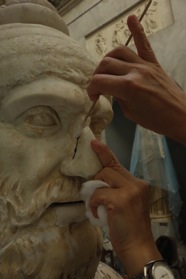
The process of restoration was extensive and took meticulous effort. Primarily, cleaning of surface deposits were accomplished using compresses of deionized water. This brought out the real sheen of the purple veined marble.

Keeping his integrity - with lasers!:

During the restoration, a light coating applied in ancient times was discovered that probably balanced the stone material’s integration. Restorers Dr. Giandomenico Spinola and Dr. Claudia Valeri decided to respect this and with laser cleaning were able to approximate the original look of the statue.

No such thing as a small surgery:

Parts of the piece had to be dismantled in order to finish the job. A steel pin from the 1800s that held part of the cloak in place was replaced and his nose had to be removed to care for the wax-resin that had anchored it in ancient times.

Finally the fingers:

In the end, the original parts of the fingers were repositioned and adhered with plaster colored to match the statue using watercolors.

Though not yet on display because of finishing touches on the pedestal - prepare to see the Dacian Prince in all his glorious defeat very soon in the halls of the museum.

Before Restoration

DSC_1172

During Restoration

After Restoration


Wrapping Up Another Restoration: Vatican Mummy Project

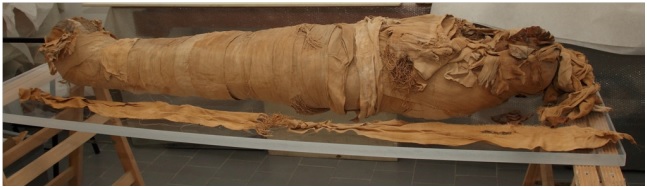
Thanks to the generosity of Cecil and Susan Hawkins of the Canadian Chapter, the Vatican Museums is proud to announce that the conservation of the Mummy of an Unknown Man has been completed. The mummy was in dire need of preservation due to degraded bandages and evidence of infestation. However, due to the hard work of Dr. Alessia Amenta and her team, the mummy has now been preserved for future generations.

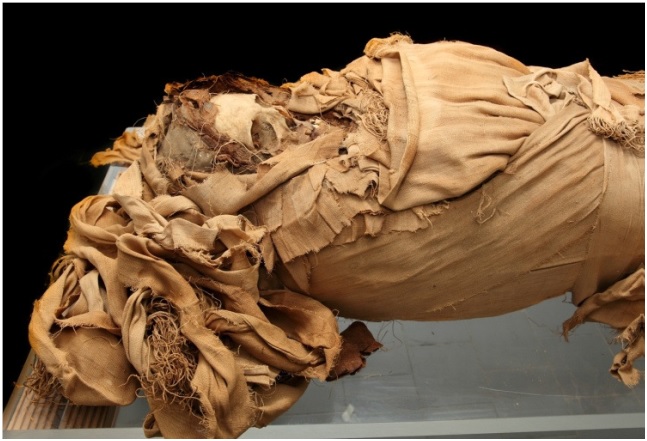
Before the work began on the project, the Egyptian department knew that the mummy was a male likely between the ages of 35 and 50. The corpse was completely wrapped in bandages except for his face and two toes. This uncovering was likely due to inappropriate handling during the original excavation in the late 19th century. This mishandling was perhaps due to thieves trying to steal amulets that the Egyptians would place between the bandages for protection.

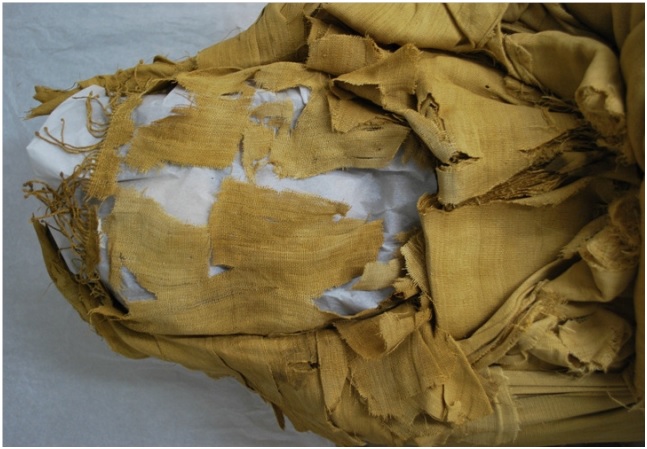
This mummy was the second in a series of seven that are yet to be preserved. This ‘Vatican Mummy Project’ will not only ensure the conservation of these artifacts, but it is also leading to new discoveries! During the work on this mummy the team found two platforms located directly between the should blades. These beams, of unknown substance, would have supported the corpse while the doctors performed the embalming process, which is something Egyptians felt was necessary to ensure a safe travel to the afterlife. The restorers were also able to identify twelve bandages, four shrouds, and three different textile types. These discoveries are not only helping to better inform the Vatican Museums, but are enabling a better understanding of these people and their burial rituals throughout the scholarly community.

Next time you visit the Vatican Museums, make sure to stop through the Egyptian Galleries and say hello to one of the mummies on display. Whether you see them before or after they go to the labs for preservation, they are truly one of the most unforgettable parts of the Vatican Museums!


mummy2

The Mummy before his restoration

mummy

The skull uncovered during the restoration process

mummy3

The bandages after their cleaning


Filling in the Gaps: Etruscan Vase Restoration with Behind the Scenes Video!

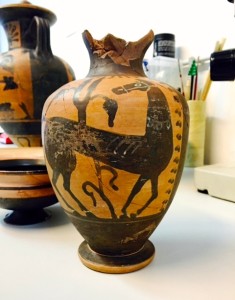
From the 7th to 4th Century B.C. the Etruscans produced volumes of expressive greek pottery making them the largest producer of such work outside of Greece. Amazingly, over 2500 years later we are still able to reconstruct these artistic treasures while preserving their narrative and respecting their age and importance.

In the restoration labs at the Vatican we are currently working on 17 precious Etruscan vases with restorations expected to be finished this May. There are a few intriguing aspects of these particular reconstructions which are being completed by restorer Giulia Barella.

See the video behind the scenes!

  • What is conservative restoration?

FullSizeRender-1

Shards of pottery can get lost over the millennia leaving small gaps in the artistic imagery. Instead of trying to guess at possible filler for these lost pieces, Barella has chosen to retain the full integrity of the piece as we understand it. Where there are gaps she uses a monochrome touch up piece that resembles the background of the base. This kind of conservative restoration means that there are no assumptions and viewers have an unblemished and unbiased view of the existing work. See the video for how this looks!

  • Sometimes earlier restorations can hinder the work today

For example, one vase on display had to be disassembled before it could be restored. Restoration in the 1800s was crude by today’s standards. Therefore, we melted away the animal based glue they used in the 19th century and separated the 30 composite pieces before Ms. Barella was able to continue with her own work of puzzling the shards back together with more modern and sustainable adhesive.

It is thanks to the Canadian Chapter that we can continue restoration on these amazing pieces. Stay tuned for more information on this demanding and rewarding project that allows a glimpse into artisans work from thousands of years ago.

(And for a glimpse into life inside the Ceramic and Metal Restoration Laboratory - see this video!)

Vatican Museums Director, Antonio Paolucci